Probability and Payout in Roulette – Understanding the Relationship


Probability and Payout in Roulette – Understanding the Relationship
Roulette is one of the most iconic casino games in the world – a game where a small ball and a spinning wheel decide the outcome. But behind the elegant surface lies a mathematical system where probability and payout are closely connected. To truly understand the game – and why the house always has an edge – it’s worth looking at how these two factors interact.
The Wheel – The Foundation of Probability
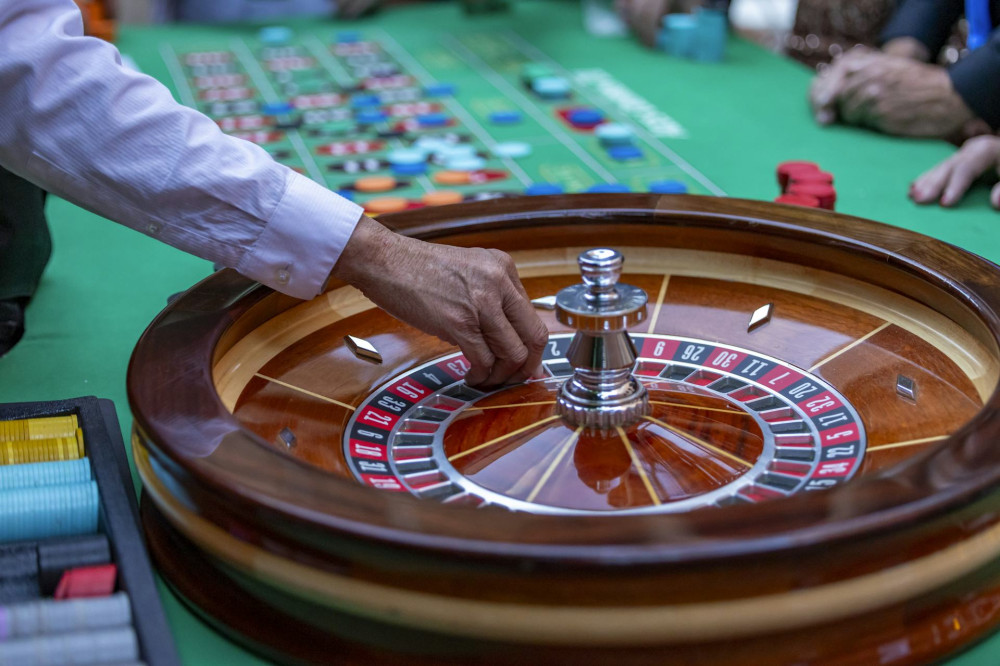
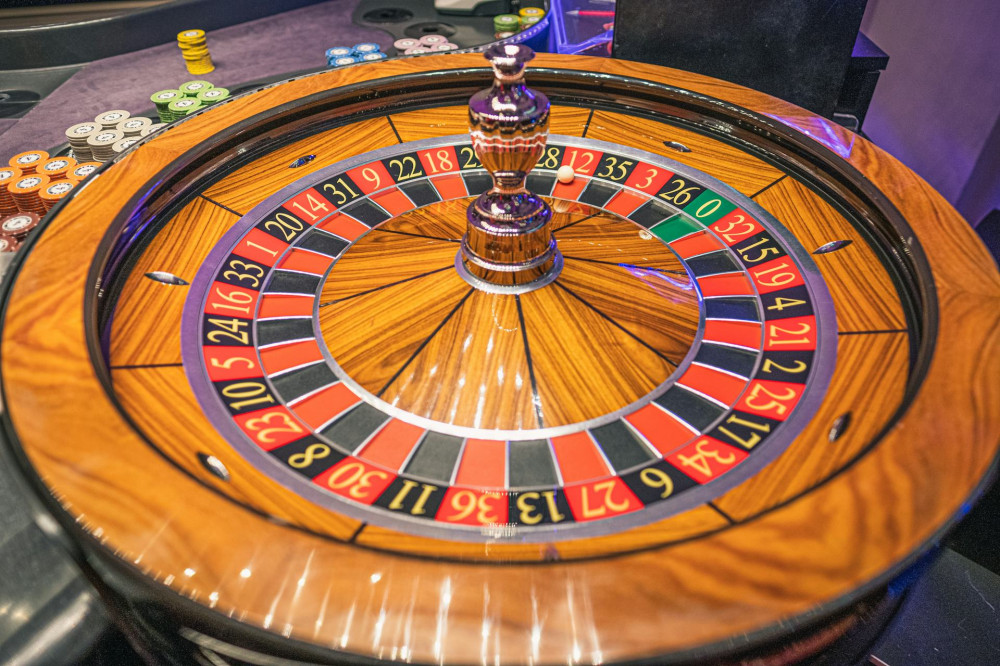
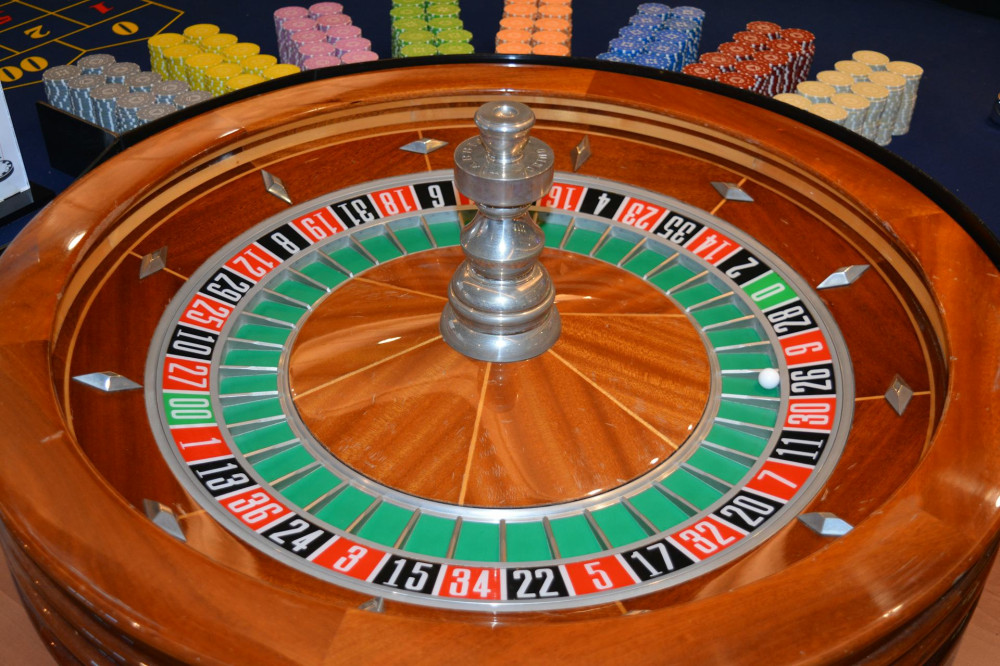
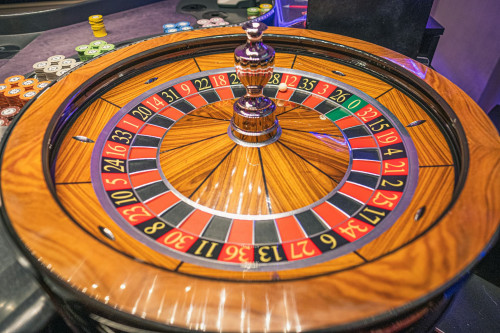
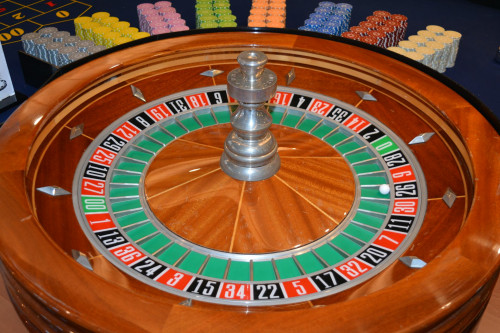
A classic American roulette wheel has 38 pockets: the numbers 1 through 36, plus a single green 0 and a double green 00. The European version, more common in casinos outside the U.S., has only 37 pockets, with a single 0. That small difference has a big impact on the odds.
Each pocket has an equal chance of being hit when the wheel spins. This means the probability of hitting a specific number in American roulette is 1 in 38, or about 2.63%. In European roulette, the chance improves slightly to 1 in 37, or about 2.70%.
This difference also affects the house edge – the built-in advantage the casino has. In American roulette, the house edge is 5.26%, while in European roulette it’s 2.70%. Over time, that difference can make a noticeable impact on your results.
Payouts – What You Get for Your Bet
Roulette offers a wide range of betting options, each balancing risk and reward differently. The lower the probability of winning, the higher the payout.
Here are some of the most common bets:
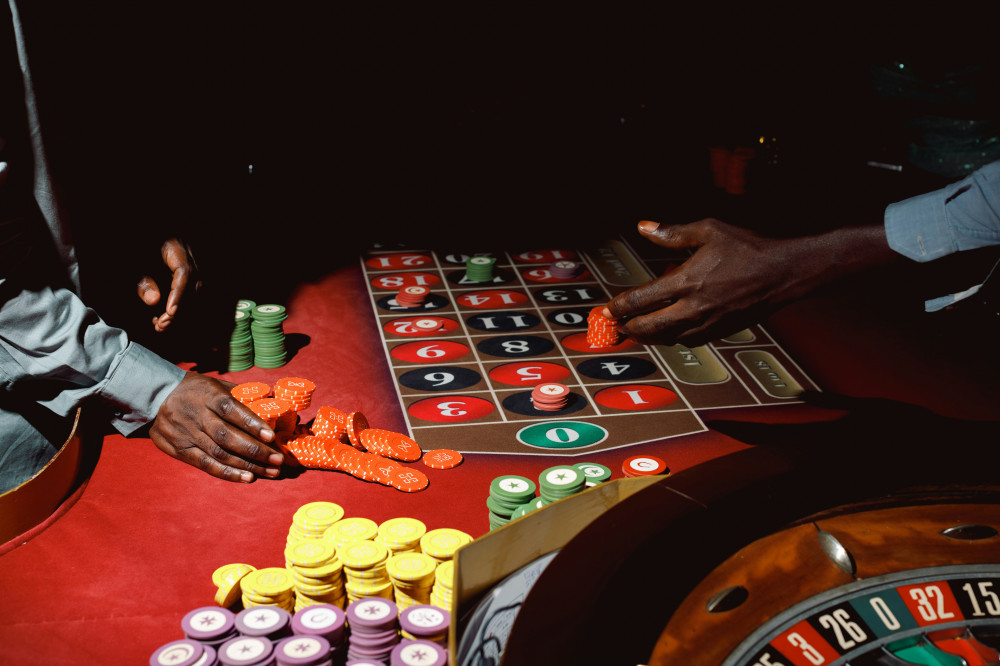
- Straight up (single number) – Bet on one specific number. Payout: 35:1.
- Split (two numbers) – Bet on two adjacent numbers. Payout: 17:1.
- Street (three numbers) – Covers a row of three numbers. Payout: 11:1.
- Dozen or column (12 numbers) – Covers one-third of the board. Payout: 2:1.
- Red/black, odd/even, low/high (18 numbers) – Covers nearly half the board (excluding 0 and 00). Payout: 1:1.
While these payouts may seem generous, they’re slightly lower than what they would be in a perfectly fair game. That small difference is what ensures the casino’s long-term profit.
Læs også:

Why the House Always Wins in the Long Run
The green 0 and 00 are the key to the casino’s advantage. They tilt the odds just enough to make every bet slightly unfavorable to the player.
Take a simple even-money bet like red or black. In American roulette, there are 18 red numbers, 18 black numbers, and 2 green pockets (0 and 00). That means your chance of winning is 18 out of 38, or about 47.37%. The remaining 52.63% of the time, you lose. Over many spins, that small difference adds up to a consistent edge for the house.
You might win in the short term – and that’s part of the excitement – but over time, the math always catches up.
American vs. European Roulette – A Key Difference
For players who want the best odds, European roulette is the smarter choice. The absence of the 00 nearly halves the house edge, giving you a better chance to stretch your bankroll.
Some casinos, especially online or in Europe, also offer French roulette, which includes special rules like La Partage or En Prison. These rules can reduce the house edge even further on even-money bets by returning half your stake if the ball lands on 0. It’s a small but meaningful improvement for the player.
Strategies and Common Misconceptions
Many players try to beat the odds with betting systems like the Martingale, where you double your bet after each loss to recover previous losses. While it might seem logical, it doesn’t change the underlying probabilities – and it requires an unlimited bankroll and no table limits, which don’t exist in real life.
Another common mistake is the gambler’s fallacy – the belief that a certain outcome is “due” because it hasn’t happened in a while. In reality, each spin is independent, and the odds remain the same every time.
Understanding the Relationship – and Playing Responsibly
Roulette combines excitement, chance, and a touch of mathematics. By understanding how probability and payout are connected, you can make more informed decisions and avoid common pitfalls.
Remember, roulette is ultimately a game of chance where the house always has an edge. The best approach is to treat it as entertainment, not as a way to make money. Set limits, play responsibly, and enjoy the experience for what it is – a thrilling meeting of luck, chance, and strategy.
Læs også: