Avoid the Most Common Beginner Mistakes in Roulette


Avoid the Most Common Beginner Mistakes in Roulette
Roulette is one of the most iconic casino games — a mix of excitement, chance, and strategy. It looks simple: you place your bet on a number, color, or section, and hope the ball lands in your favor. But behind that simplicity lie several pitfalls that new players often stumble into. Here’s a guide to help you avoid the most common beginner mistakes in roulette — and enjoy a smarter, more responsible gaming experience.
1. Believing You Can Predict the Outcome
One of the biggest misconceptions among beginners is the belief that you can “read” the wheel or predict where the ball will land next. Roulette is a game of pure chance — every spin is independent of the last. Even if the ball has landed on red five times in a row, that doesn’t mean black is “due.” This is known as the gambler’s fallacy, and it often leads players to bet more than they should.
The best approach is to accept the nature of the game: there are no patterns, and no strategy can change the odds.
2. Ignoring the Difference Between American and European Roulette
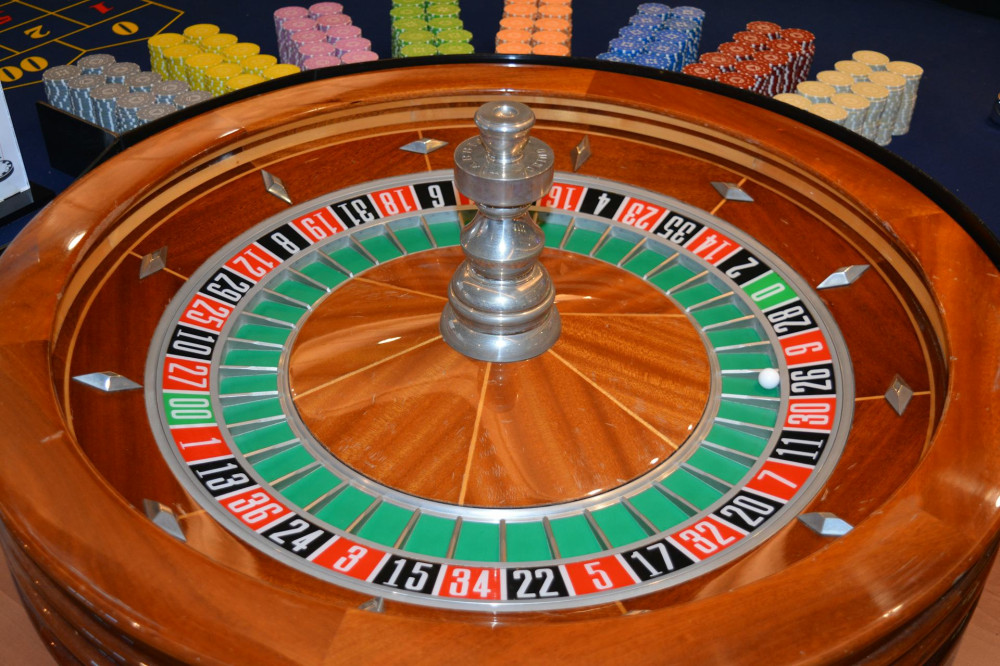
Not all roulette wheels are the same. The European version has a single zero (0), while the American version includes both a zero (0) and a double zero (00). That extra pocket in the American wheel increases the house edge from about 2.7% to 5.26%.
If you want the best odds, always choose European roulette when it’s available. The difference may seem small, but over time it can have a big impact on how long your bankroll lasts.
3. Using Complex Betting Systems Without Understanding Them
Online forums are full of so-called “foolproof” strategies — Martingale, Fibonacci, Labouchere, and others. They all promise long-term success if you just follow a specific pattern. The truth is, none of these systems can overcome the house edge. They might bring short-term wins, but they also carry the risk of large losses, especially if you hit the table’s betting limit or run out of funds.
If you want to try a system, do it for fun — not because you think it guarantees profit.
4. Forgetting to Set Limits
Roulette can be fast-paced and thrilling, and it’s easy to get caught up in the moment. Many beginners keep playing even after losing more than they planned. That’s why it’s essential to set clear limits on both time and money before you start playing.
Once you reach your limit, stop. The goal isn’t to chase losses — it’s to stay in control and enjoy the game as entertainment.
5. Overlooking Table Minimums and Maximums
Every roulette table has its own betting limits. If you’re using a system that requires doubling your bet after each loss, you can quickly hit the table’s maximum — and your strategy will collapse. Always check the table rules before you sit down so you know what you’re working with. It can save you from frustration and unexpected interruptions mid-game.
6. Betting Too Narrowly — or Too Broadly
Beginners often fall into one of two extremes: either they bet everything on a single number chasing a big win, or they spread their bets so widely that potential payouts become tiny. A good balance is to combine high-risk bets (like single numbers) with low-risk bets (like red/black or even/odd). This way, you get both excitement and a steadier playing experience.
Læs også:



7. Forgetting That Roulette Should Be Fun
Roulette is, above all, a game — and games are meant to be entertaining, not a way to make money. When you approach it with that mindset, the experience becomes much more enjoyable. Sit down with realistic expectations: you might win, but you might also lose. If you see both outcomes as part of the fun, you’ll avoid disappointment and stress.
A Better Experience Starts With Knowledge
Avoiding beginner mistakes isn’t about becoming an expert — it’s about understanding the basics of the game and your own limits. Roulette can be exciting and rewarding when played responsibly, at the right tables, and with the awareness that luck always has the final say.
Læs også: