Symbols and Colors in Games: Cultural Ideas of Luck and Wealth


Symbols and Colors in Games: Cultural Ideas of Luck and Wealth
When you walk into a casino—whether on the Las Vegas Strip or on your phone—you’re stepping into a world of color and symbolism that’s anything but random. Red, gold, and green dominate the scene, and familiar icons like four-leaf clovers, horseshoes, and lucky sevens appear again and again. These choices reflect centuries of cultural ideas about luck, wealth, and destiny. But why do these particular colors and symbols make us feel that fortune might be just around the corner?
The Psychology and Symbolism of Color
Colors influence our emotions and behavior, and game designers use them deliberately to shape the player’s experience.
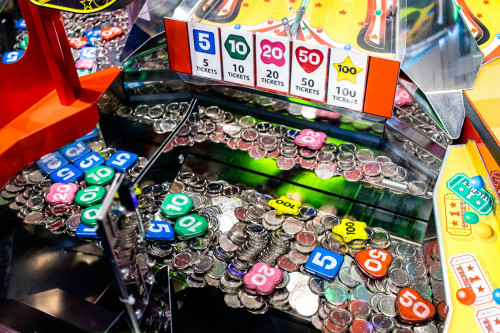
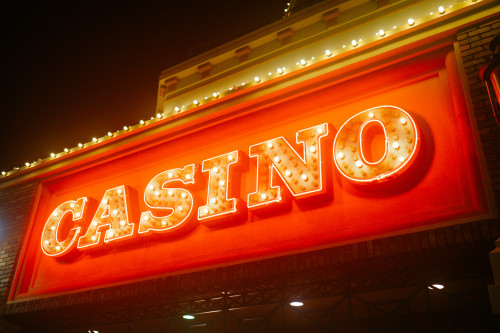
- Red is the color of energy, excitement, and luck. It raises the pulse and creates a sense of anticipation—perfect for a setting built on risk and reward. In many Asian cultures, red also symbolizes prosperity and happiness, which is why it’s so common in casino décor and online slot design.
- Gold represents wealth, success, and luxury. It’s the color of coins, trophies, and jackpots, signaling reward and achievement. Gold accents make a game feel rich and full of promise.
- Green is tied to growth, balance, and—especially in the United States—money. The color of the dollar bill has made green synonymous with financial luck, which is why it often appears in games that evoke prosperity or progress.
- Blue is used more sparingly in gambling environments, but when it appears, it conveys calm and trust. Online platforms often use blue in their interfaces to suggest security and reliability.
These colors aren’t just decorative—they’re psychological cues that tap into our shared cultural understanding of what it means to be lucky or successful.
Symbols of Luck – From Folklore to the Slot Machine
Many of the symbols we associate with luck today have deep historical roots.
- The four-leaf clover comes from Celtic tradition, where it was believed to offer protection and good fortune. Each leaf stands for faith, hope, love, and luck.
- The horseshoe has long been a charm against misfortune. Originally hung above doors to ward off evil spirits, it now hangs on slot machines and game icons as a sign of good luck.
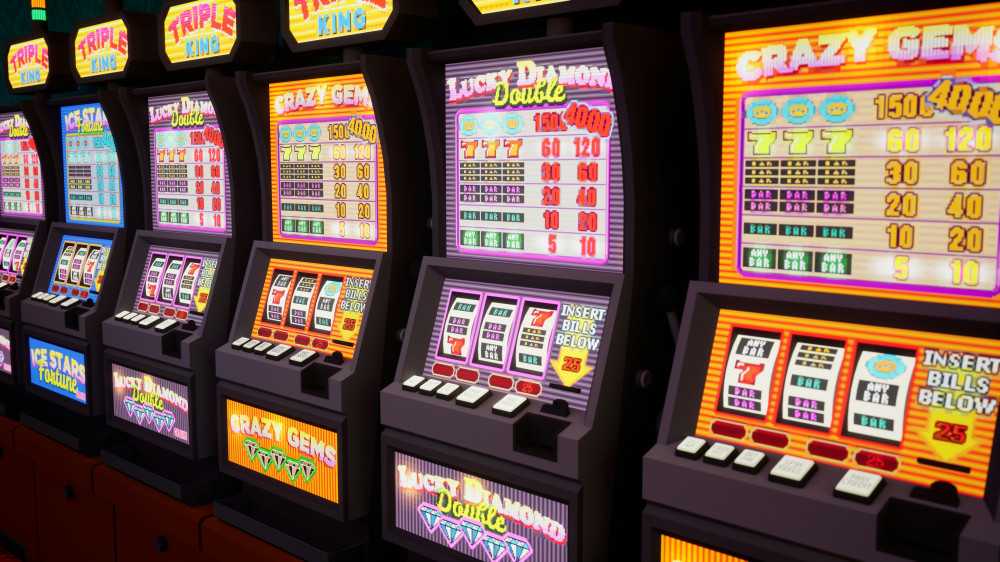
- The number seven holds special meaning across cultures. In the Bible, in astrology, and in folklore, seven represents completeness and harmony. In casinos, it’s become the ultimate symbol of a jackpot.
- Gold coins and treasure chests are visual shorthand for wealth and reward—exactly what players hope to find when they spin the reels.
When these symbols appear in modern games, they act as cultural touchstones. They connect players to familiar ideas of luck and fortune, making the experience more intuitive and emotionally engaging.
Læs også:

Cultural Views of Luck
While many symbols are recognized worldwide, the meaning of luck varies from culture to culture.
In East Asia, luck is often linked to harmony and prosperity. Red and gold dominate, and the number 8 is considered especially lucky because it sounds like the word for wealth in Chinese. That’s why you’ll often see games featuring 8s in their paylines or bonus rounds.
In the United States and Western cultures, luck tends to be more individualistic—something you can “make” through courage, strategy, or chance. The four-leaf clover and horseshoe are classic symbols, and green and black are common colors in games of chance.
In the Middle East and North Africa, amulets like the “evil eye” and the “Hand of Fatima” have long been used to ward off misfortune. While these symbols are less common in Western games, they’re increasingly appearing in international online slots, reflecting a growing global exchange of cultural imagery.
From Superstition to Experience
Most players know that colors and symbols don’t actually change the odds of winning. Yet they still matter. They create atmosphere, anticipation, and a sense of connection to something larger—a modern ritual of hope that maybe, just maybe, this spin will be the lucky one.
For game developers, understanding these cultural codes is as important as understanding the math behind the game. A well-chosen symbol or color palette can make the difference between a game that feels flat and one that sparks the imagination.
The Universe of Luck – More Than Chance
Symbols and colors in games reflect our human desire to find meaning in randomness. They remind us that even in a world ruled by probability, we still look for signs that fate might be on our side. Whether it’s a flash of red, a glint of gold, or a lucky seven in a row, these small cultural cues turn a simple game into an experience of hope, excitement, and the timeless dream of fortune.
Læs også: