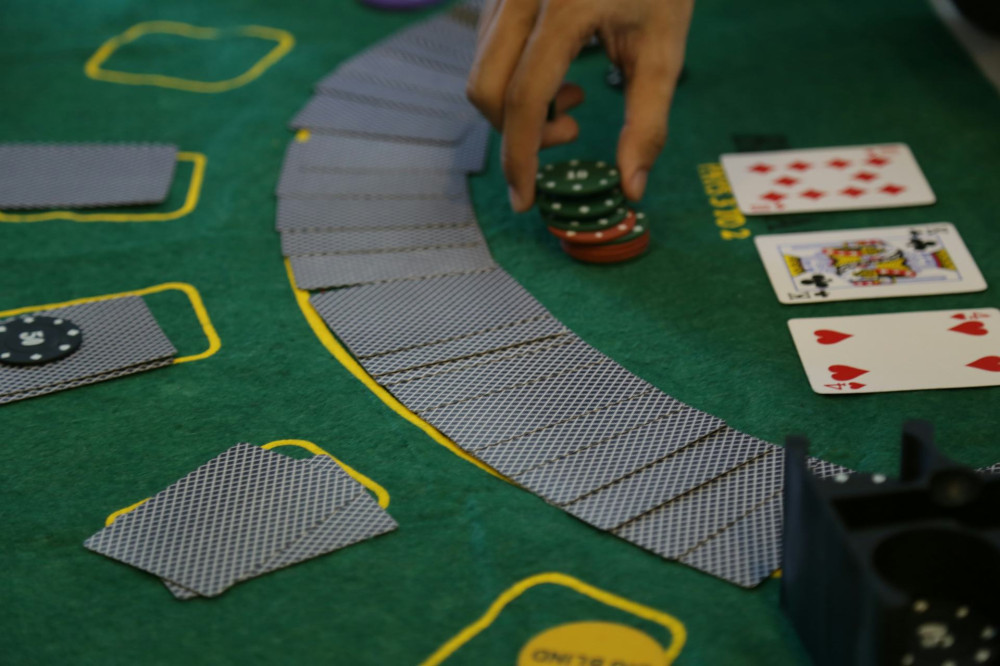
Learn Poker as a Beginner: Simple Exercises to Understand the Logic of the Game


Learn Poker as a Beginner: Simple Exercises to Understand the Logic of the Game
Poker might look like a game of luck and chance, but behind the cards lies a logic that anyone can learn. For beginners, the goal isn’t to master every version of the game at once, but to build a solid understanding of its structure, probabilities, and psychology. Here’s an introduction to learning poker through simple exercises that strengthen both your intuition and strategic thinking.
Understand the Basics of the Game
Before you start playing, it’s important to know the basic rules. Most beginners start with Texas Hold’em, the most popular version in the United States. Each player gets two private cards, and five community cards are placed face up on the table. The goal is to make the best five-card hand—or convince your opponents that you have it.
But poker isn’t just about the cards. It’s about decisions—when to bet, fold, or raise. Understanding why you make a certain move is the first step toward thinking like a poker player.
Exercise 1: Memorize Hand Rankings
One of the most essential exercises is learning which hands beat which. Many beginners lose track of hand strength during play, leading to costly mistakes.
Create a chart of hand rankings—from royal flush at the top to high card at the bottom—and practice recognizing them quickly. You can use online tools or a deck of cards at home. Once you can evaluate a hand in seconds, you’ll free up mental energy to focus on strategy instead of rules.
Exercise 2: Play with Open Cards
A great way to understand the logic of poker is to play with open cards with a friend. Lay all cards face up and talk through your decisions: when you would bet, fold, or raise. This removes the pressure of competition and helps you see how choices affect outcomes.
This exercise helps you spot patterns: When does bluffing make sense? When is it better to play it safe? How do probabilities shift as new cards are revealed?
Exercise 3: Practice Probability Counting
Poker is a game of probabilities. You don’t need to be a mathematician, but a basic grasp of odds gives you a big advantage. Start with simple calculations: What’s the chance of completing a flush when you’re one card short? How often will you be dealt a pair?
There are plenty of free apps and websites that let you practice calculating odds. The better you understand the numbers behind the game, the more confident your decisions will become.
Exercise 4: Read Opponents—Not Just Cards
One of the most fascinating parts of poker is human behavior. Does your opponent seem nervous when betting big? Or too relaxed? Learning to read body language and betting patterns is a key part of poker logic.
Try observing how people react in different situations—both at the poker table and in everyday life. It trains your ability to interpret signals and think several steps ahead.
Exercise 5: Play Free Online Games
When you’re ready to test your skills, start with free online poker platforms. They let you play without financial risk while getting used to the pace, structure, and decision-making of real games.
Use these games as training, not competition. After each session, analyze your choices: What did you do right? What could you have done differently?
Læs også:



Exercise 6: Keep a Poker Journal
An underrated but powerful learning tool is writing down your thoughts after each game. Note which hands you won or lost and why you made certain decisions. Over time, you’ll start to see patterns in your play—and discover where you can improve.
Patience and Learning Go Hand in Hand
Poker rewards patience. No one becomes an expert overnight, but with consistent practice and reflection, you can quickly grasp the logic of the game. It’s not just about winning—it’s about learning to think strategically, assess risk, and read situations—skills that are valuable far beyond the poker table.
So next time you sit down with a deck of cards, remember: every hand is a chance to learn something new.
Læs også: