When Games Affect the Brain: Why You Feel the Urge to Play Again

When Games Affect the Brain: Why You Feel the Urge to Play Again
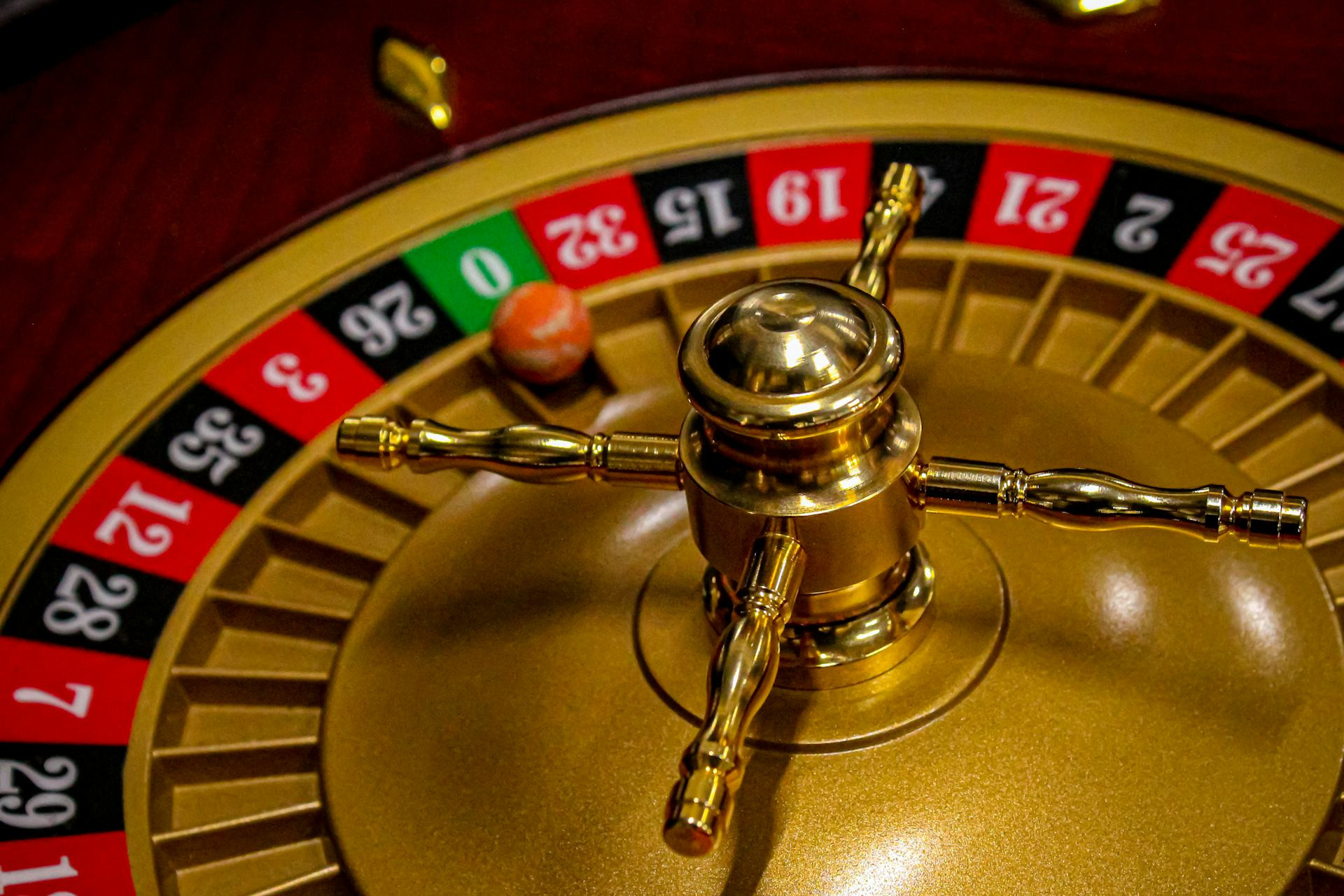
Have you ever wondered why you feel the urge to play again—even after losing? The answer lies deep in your brain. Games, whether they’re casino slots, mobile apps, or online challenges, activate the same reward systems that drive motivation, curiosity, and pleasure. It’s a complex mix of chemistry, psychology, and design that keeps you coming back. Let’s take a closer look at what happens in your brain when you play—and why it can be so hard to stop.
Dopamine – The Brain’s Reward Signal
When you play, your brain releases dopamine—a neurotransmitter closely tied to anticipation and reward. This doesn’t happen only when you win, but also when you expect to win. That means the thrill of the game itself can be just as stimulating as the actual reward.
This mechanism is the same one that lights up when you eat something delicious, receive praise, or experience something new. Games tap into this natural craving for reward by creating small, unpredictable moments of excitement. It’s the unpredictability that makes the dopamine surge even stronger—your brain loves surprises.
The Power of Unpredictable Rewards
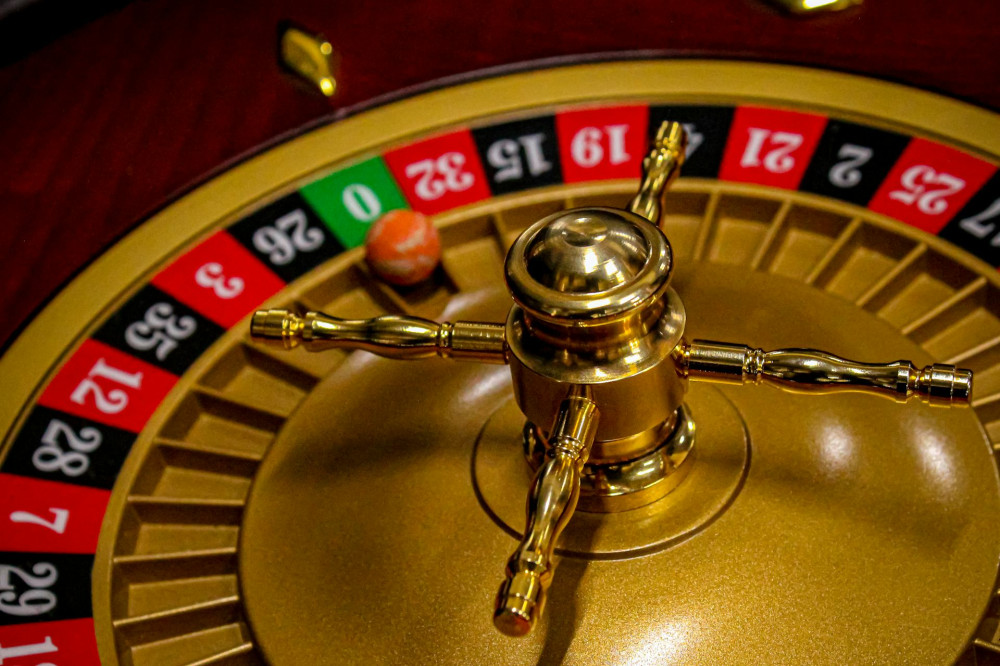
In many games, especially casino and mobile games, rewards are designed to appear at random intervals. You never know exactly when you’ll win—and that’s what keeps you hooked. Research shows that unpredictable rewards create a stronger drive to continue than predictable ones.
It’s the same principle that makes us check our phones for notifications: maybe there’s something new, maybe not. That tiny chance of a reward—whether it’s money, points, or recognition—keeps the brain engaged and makes it hard to walk away.
The “Almost Win” Effect
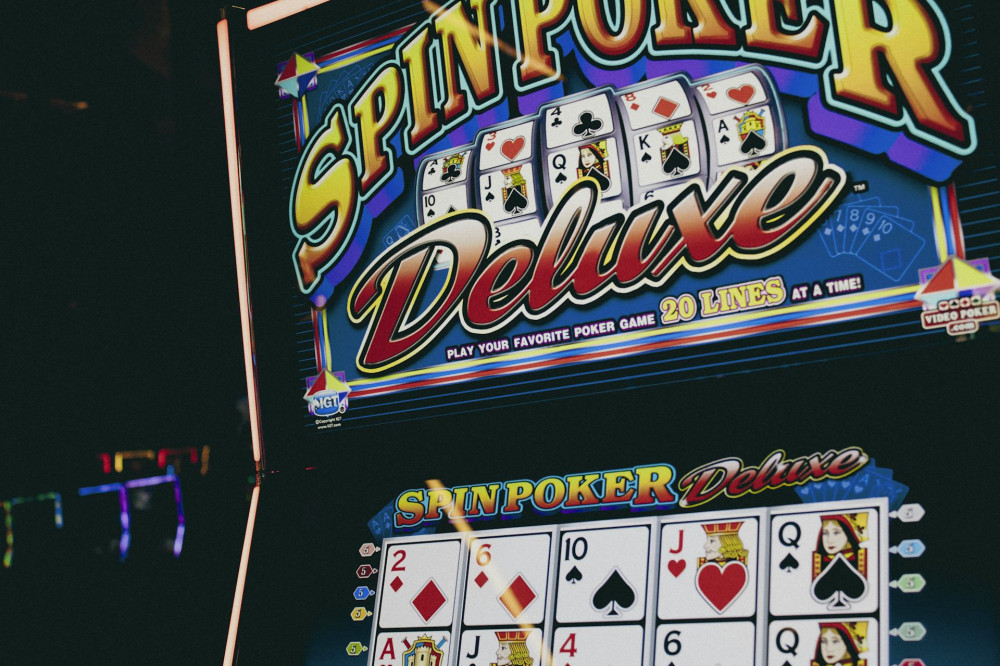
One of the most fascinating phenomena in game psychology is the “near-miss” effect—when you almost win. Think of getting two matching symbols on a slot machine or losing a round by just one point. The brain reacts to these moments almost as if you had actually won. Dopamine is released, and you feel like success is just within reach.
This creates an illusion of control: you feel that you almost had it, and that one more try might do the trick. It’s one of the reasons games can feel so compelling—and why many players keep going even when they know the odds are against them.
Designed to Keep You Playing
Modern games aren’t just about luck. They’re carefully designed using psychological insights to keep players engaged. Colors, sounds, and animations are chosen to stimulate the senses and reinforce the feeling of reward. A short fanfare, flashing lights, or a vibrating phone can make your brain think something important just happened—and that you should keep playing.
Even losses are often softened. Many games display “consolation prizes” or messages like “so close!” to keep motivation high. None of this is accidental—it’s the result of years of research into behavior and game mechanics.
Læs også:

When the Game Takes Over
For most people, gaming is a fun and harmless pastime. But for some, the brain’s reward system can become overactivated, and the game starts to take up too much space in daily life. This can lead to chasing losses, losing track of time, or playing to escape stress or anxiety.
That doesn’t mean games are inherently dangerous—but awareness is key. Understanding how games affect your brain can help you play more responsibly. Set limits on time and money, and take breaks to stay in control.
Play With Your Brain, Not Against It
Understanding how games influence the brain isn’t about ruining the fun—it’s about taking charge. When you know why you feel the urge to play again, you can better recognize when it’s time to stop.
Games can be exciting, social, and rewarding—as long as you play with awareness. Your brain will always seek rewards, but you can choose how to give them. And sometimes, the biggest win is knowing when to say, “That’s enough for today.”
Læs også: