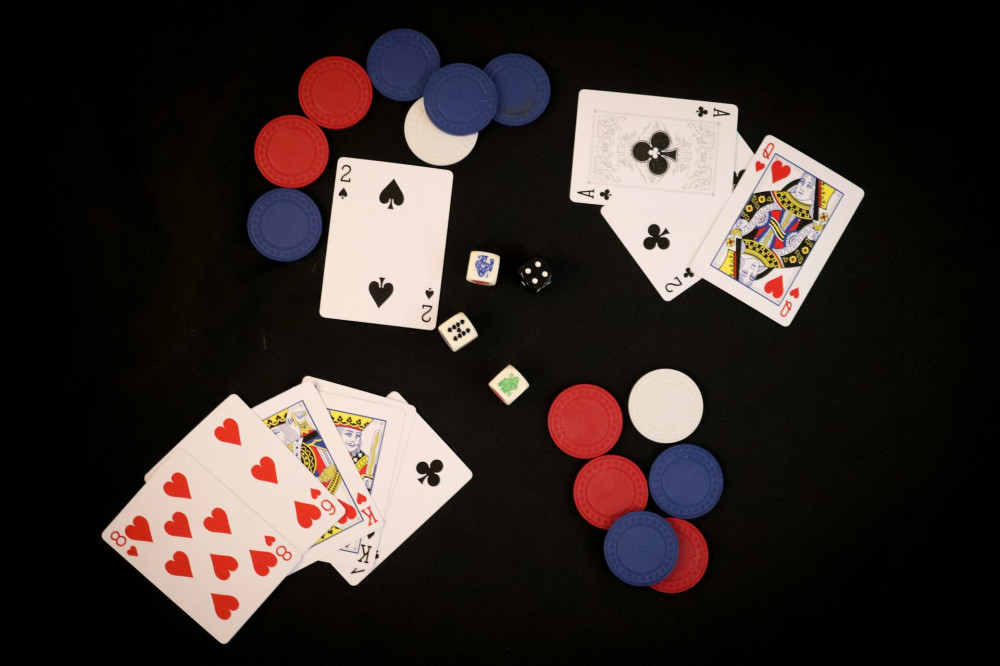
Track Your Progress as a Player with Regular Checks of Your Gaming Habits


Track Your Progress as a Player with Regular Checks of Your Gaming Habits
Gaming can be exciting, social, and a great way to unwind—whether you enjoy sports betting, online casinos, or fantasy leagues. But like any other hobby, it’s worth taking a step back once in a while to look at your habits. How often do you play? How much time and money do you spend? And how does it affect your daily life? Regular check-ins on your gaming habits can give you a clear picture of your progress as a player—and help you stay in control.
Why It Makes Sense to Review Your Gaming Habits
Many players don’t notice how their gaming patterns change over time. What starts as a fun pastime can gradually take up more space than intended. By taking a short self-assessment of your gaming habits, you get a snapshot of where you stand—and a starting point for tracking your development.
A regular check can help you:
- Gain insight into your habits – how often you play and what motivates you.
- Spot changes early – for example, if you’re playing more frequently or spending more than before.
- Prevent problems – by recognizing warning signs before they grow.
- Set personal goals – such as sticking to a budget or limiting play to certain times.
How a Gaming Habits Check Works
Most self-assessments consist of a few questions about your gaming activity, your thoughts about playing, and how it affects your mood and finances. It usually takes just a few minutes but can provide valuable insight.
After completing a check, you’ll often receive feedback on how responsibly you’re playing—commonly categorized as “low risk,” “moderate risk,” or “high risk.” It’s not a diagnosis, but a tool for reflection. Many assessments also offer practical tips for adjusting your habits if you want to make changes.
Make It a Regular Routine
A single check gives you a snapshot, but the real benefit comes from repeating it regularly. That way, you can see whether your habits are changing—and whether you’re moving in a healthy direction.
Consider checking in:
- Every three to six months, as part of your personal “gaming checkup.”
- Whenever your habits shift, such as playing more often or trying new platforms.
- If you’re under stress or financial pressure, which can influence how and why you play.
By making these check-ins a habit, you can catch small changes before they become bigger issues.
Læs også:




Use the Results to Adjust Your Play
Once you’ve completed a check, use the results to guide your next steps. If you notice that you’re playing more than you intended, you can:
- Set a clear budget for how much you’ll spend on gaming each week or month.
- Plan regular breaks to make time for other activities.
- Talk to someone—a friend, family member, or counselor—if you feel gaming is starting to take over.
Many U.S. gaming platforms also offer built-in tools like deposit limits, time reminders, and self-exclusion options to help you stay in control.
A Tool for Responsible Fun
Playing responsibly isn’t about quitting altogether—it’s about maintaining balance. Regular checks of your gaming habits are a simple but effective way to ensure that gaming remains a positive part of your life.
By tracking your progress over time, you gain not only insight into your habits but also a sense of ownership over your well-being. Knowing your limits and acting on them isn’t a sign of weakness—it’s a sign of strength.
Læs også: