The Jackpot: The Story Behind the Slot Machine’s Greatest Fascination

The Jackpot: The Story Behind the Slot Machine’s Greatest Fascination
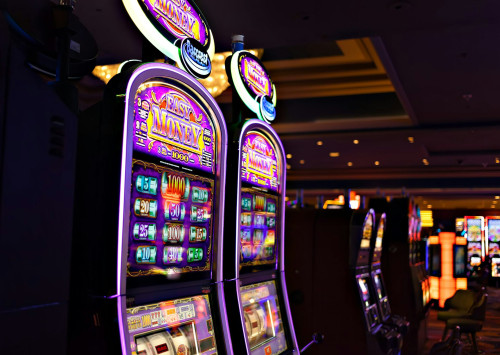
The clinking of coins, the flashing lights, and that heart-stopping moment when the reels come to a halt — for more than a century, the slot machine has embodied the thrill of chance, the dream of sudden fortune, and the allure of luck itself. But what exactly makes the jackpot so irresistible? To understand that, we have to look back at the history of the slot machine — and the psychology that keeps players coming back for more.
From Mechanical Marvel to Digital Wonder
The story begins in the late 19th century. The most famous early slot, the Liberty Bell, was invented by Charles Fey in San Francisco around 1895. It featured three spinning reels and five symbols — horseshoes, diamonds, spades, hearts, and the iconic Liberty Bell. When three bells lined up, the player hit the jackpot.
At first, the prizes were modest — maybe a free drink or a cigar — but the excitement was the same as it is today: one pull could change everything. Over the 20th century, slot machines evolved from purely mechanical devices to electromechanical systems and, eventually, to fully digital games. Today, they exist both on casino floors and online, where advanced graphics, sound effects, and bonus features have turned them into immersive entertainment experiences.
Læs også:


The Jackpot as a Symbol
The jackpot is more than just a big win. It represents hope — the idea that luck can strike at any moment. In a world that often feels predictable, the slot machine offers a brief escape into possibility. It’s a modern version of the gold rush dream, the lottery fantasy, or the adventure where anything can happen.
Psychologically, the jackpot taps into the brain’s reward system. Each spin triggers a release of dopamine — the same neurotransmitter associated with anticipation and pleasure. Even near-misses or small wins can spark this response, creating a powerful cycle of excitement and expectation. It’s this unpredictable rhythm of reward that makes the game so captivating — and, for some, dangerously addictive.
From Coins to Millions
As technology advanced, so did the size of the jackpots. In the 1980s, progressive jackpots were introduced — systems where a small portion of every bet contributes to a shared prize pool. These jackpots can grow to staggering amounts, sometimes reaching millions of dollars before one lucky player hits the winning combination.
Such wins have become legendary in casino lore. Stories of everyday people turning into instant millionaires have only deepened the fascination. For many, it’s not just about the money — it’s about the possibility, however slim, that lightning might strike.
The Digital Era and New Ways to Play
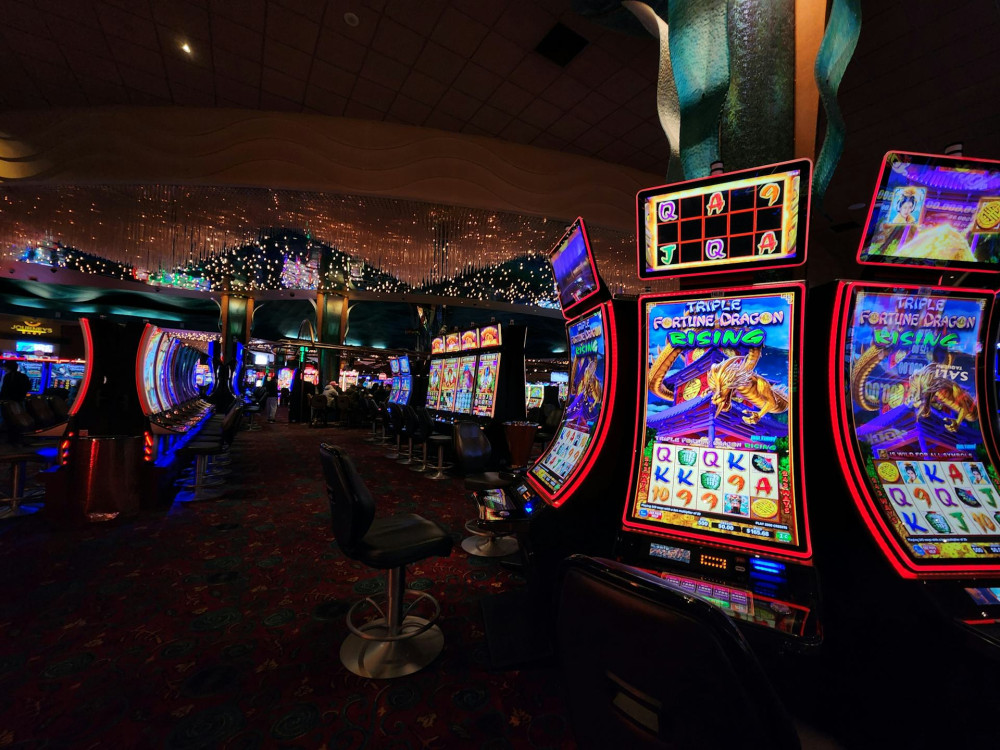
Today, the slot machine is no longer confined to the casino floor. Online and mobile slots have made it possible to play anytime, anywhere. Themes range from classic fruit symbols to Hollywood blockbusters, mythology, and fantasy worlds. Jackpots can be local to a single game or linked across networks of players around the globe.
With this expansion has come a new focus on responsible gaming. Many online platforms now offer tools to set limits on time and spending, and there’s growing awareness of the need to keep gambling as entertainment rather than compulsion. Because in the end, the fascination with the jackpot isn’t just about money — it’s about the thrill, the hope, and the dream of the unexpected.
Why We Still Press the Button
Even as technology transforms the way we play, the core feeling remains unchanged: that moment of anticipation as the reels spin, and the breathless pause before they stop. It’s a fleeting instant when time seems to stand still — when logic gives way to luck, and the dream of the jackpot feels just within reach.
For some, it’s just a game. For others, it’s a ritual. But for most, it’s a reminder that fortune — at least for a moment — might be only one spin away.
Læs også: