Realistic Expectations for the Lottery: When Probability Becomes Your Best Friend

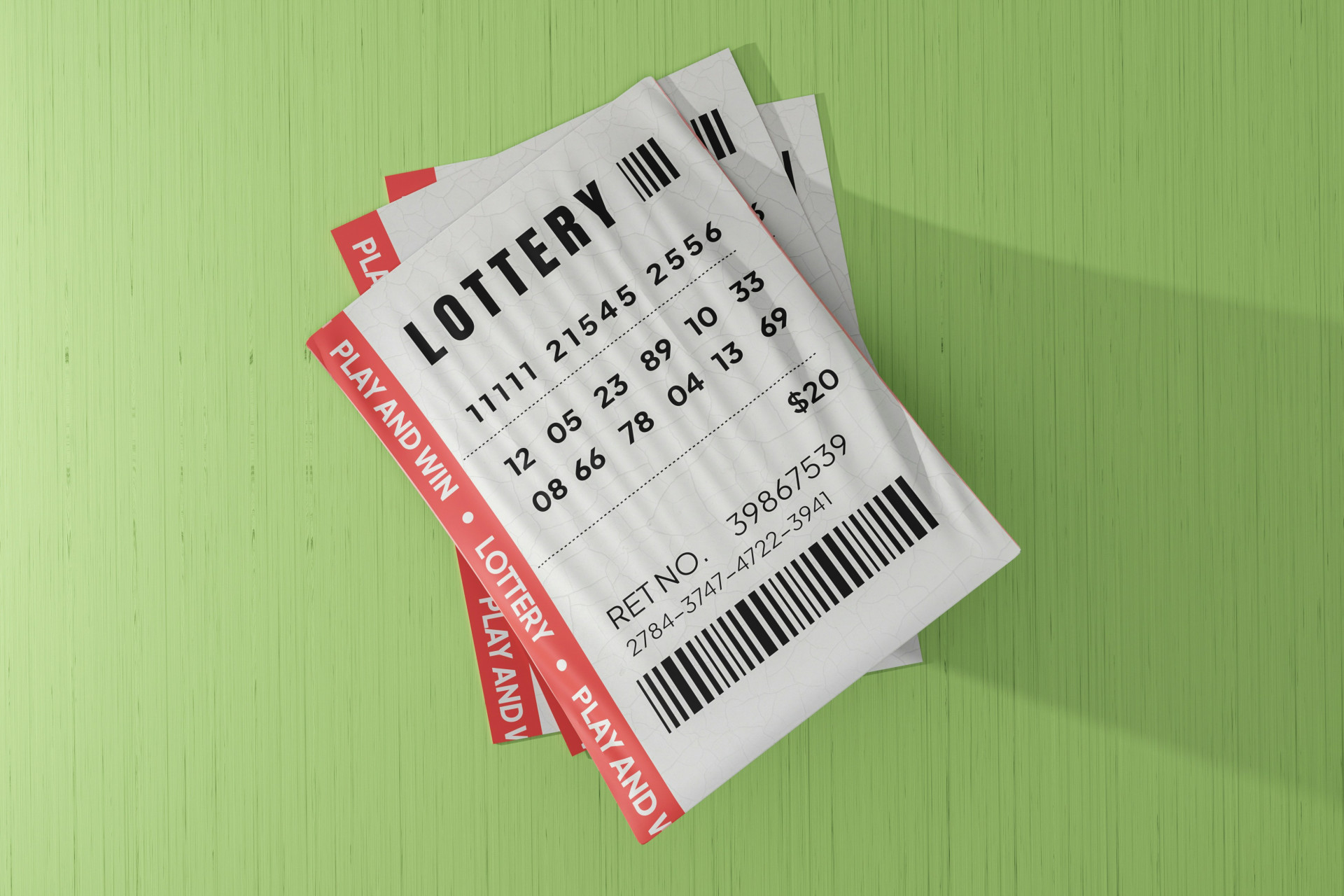
Realistic Expectations for the Lottery: When Probability Becomes Your Best Friend
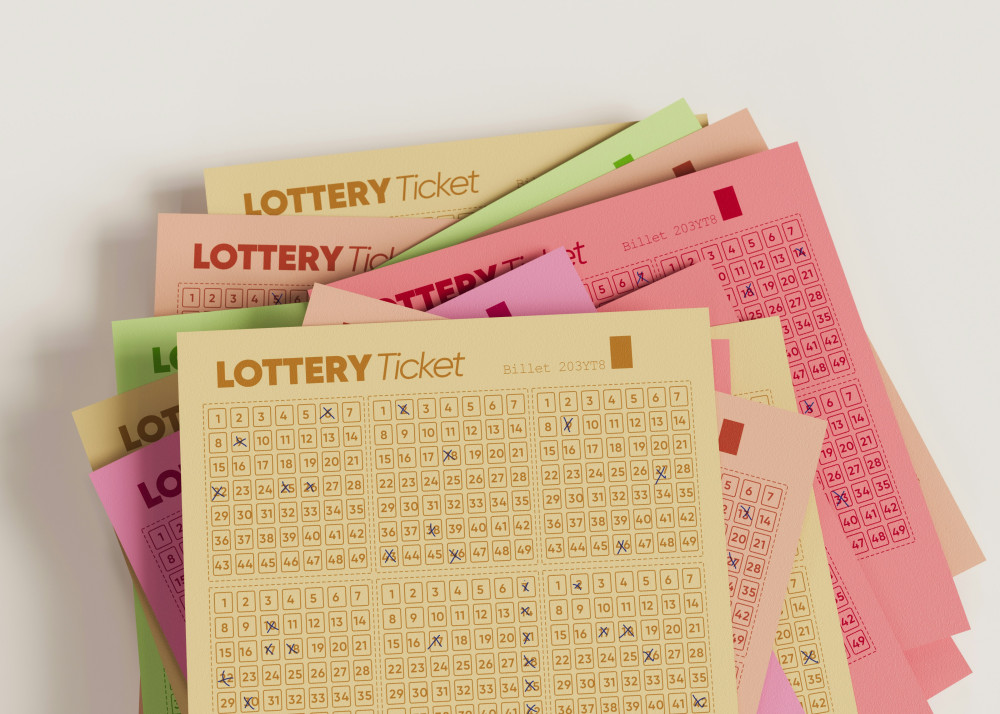
The dream of hitting the jackpot lives in many of us. One ticket, one quick pick — and maybe life changes forever. But behind that dream lies a mathematical truth most people prefer not to think about: probability. While lotteries can be fun and exciting, it’s important to understand what your chances really look like — and how you can enjoy the game without letting hope take over reason.
How Small Are the Odds, Really?
When you see lottery commercials, it’s usually the smiling winners who take center stage. But behind every winner stand millions of players who didn’t get lucky. The odds of winning the top prize in a major U.S. lottery like Powerball or Mega Millions are astronomical — often around one in hundreds of millions. To put that in perspective, you’re far more likely to be struck by lightning or bitten by a shark.
That doesn’t mean you should never play. It just means you should see it as entertainment, not an investment. If you buy a ticket, do it for the thrill of the “what if,” not because you expect to win.
Probability as Your Best Friend
Understanding probability isn’t about killing the dream — it’s about keeping it realistic. When you know the numbers, you can make smarter choices. You realize it doesn’t make sense to spend large sums on games where the odds are microscopic. Instead, you can enjoy the lottery as a small luxury — a way to dream for a few days without risking your financial stability.
Probability can actually be your best friend because it helps you stay grounded. It reminds you that luck can’t be planned, and that financial security rarely comes from a ticket, but from good habits and sound decisions.
Myths and Misconceptions
Many players believe they can “feel” when it’s their turn to win, or that certain numbers are “lucky.” But lotteries are designed to be completely random. Every drawing is independent of the last, and no strategy can change the odds.
Another common misconception is that you “deserve” to win if you’ve been playing for years. But the lottery has no memory — every ticket has exactly the same chance as the first one you ever bought.
Play Responsibly
If you choose to play, set a budget. Decide on an amount you can afford to lose, and stick to it. That way, the lottery remains a fun activity, not a financial risk. Some people find it helpful to think about the value of the experience — if a ticket gives you a week of daydreaming and excitement, it might be worth the cost, as long as you know what you’re paying for.
It can also be healthy to take breaks from playing. You might find that the excitement doesn’t disappear — it just shifts to other parts of your life.
Læs også:
When the Dream Becomes Too Big
For some, the dream of winning can grow so strong that it starts to take over daily life. If you find yourself spending more than you can afford, or hiding your lottery habits from others, it may be time to reach out for help. In the U.S., organizations like the National Council on Problem Gambling offer confidential support and resources. Asking for help is a sign of strength, not weakness.
Finding Joy in Realism
Having realistic expectations doesn’t mean you have to stop dreaming. It just means you understand where the dream belongs. The lottery can be a small spark of hope in everyday life — as long as you remember that the odds aren’t against you personally, but against everyone equally. When you accept that, you can play with a smile and without disappointment.
Probability isn’t the enemy of the dream — it’s the frame that gives it shape. And within that frame, you can still find joy, excitement, and maybe even a little luck along the way.
Læs også: