Position at the Table: Adjust Your Poker Strategy Based on the Dealer’s Position

Position at the Table: Adjust Your Poker Strategy Based on the Dealer’s Position
In poker, success isn’t just about luck or getting good cards—it’s about understanding your position at the table. Where you sit in relation to the dealer determines how much information you have before making a decision, and that can dramatically affect your results. Mastering positional play is one of the most important skills for any poker player. Here’s how to adjust your strategy depending on where you’re seated.
What Does “Position” Mean in Poker?
In every hand of poker, the action moves clockwise around the table. The closer you are to the dealer (the “button”), the later your position. Players who act early have less information about what others will do, while those who act later can make more informed decisions.
In short:
- Early Position (EP): You act first.
- Middle Position (MP): You act after a few players.
- Late Position (LP): You act last—usually as the dealer or in the “cutoff” seat.
The later your position, the more you know about your opponents’ actions, and the more control you have over the hand.
Early Position: Play Tight and Disciplined
When you’re in early position, you’re at a disadvantage because you must act before most of the table. You don’t know who will raise, call, or fold after you. That’s why you should play conservatively and stick to strong starting hands.
Tips for early position:
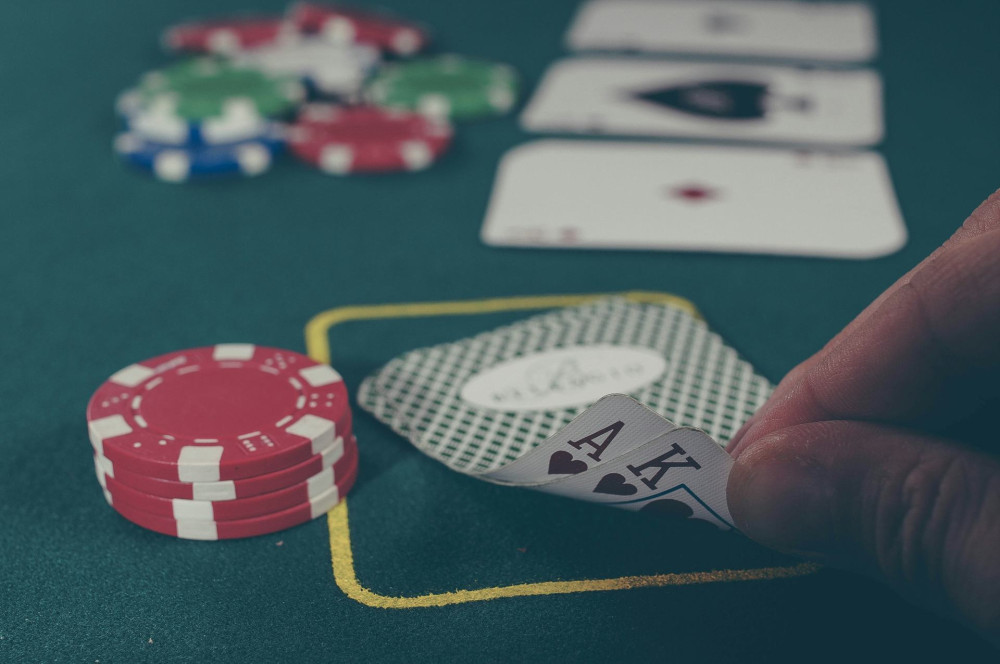
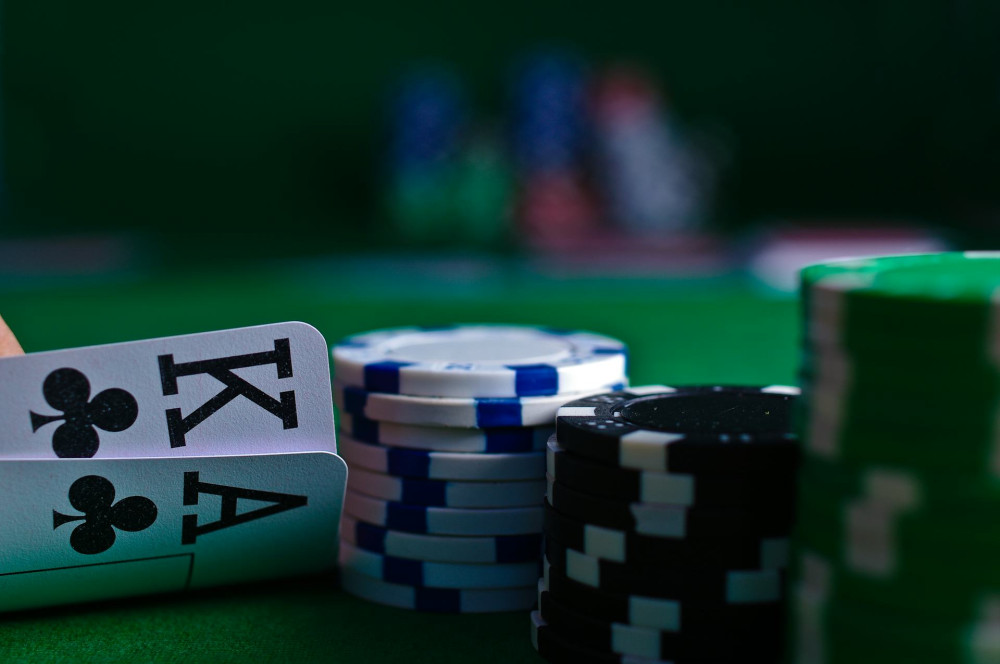
- Open only with premium hands like high pairs (A-A, K-K, Q-Q) and strong combinations such as A-K or A-Q.
- Avoid bluffing—players behind you have the advantage of reacting to your move.
- Remember that a raise from early position signals strength. Use that image to your benefit.
Middle Position: More Options, but Stay Selective
In middle position, you’ve seen how some players act, which gives you a bit more information. You can loosen up slightly, but you still need to be careful.
Strategy for middle position:
- Add medium pairs (7-7, 8-8) and suited connectors (like 9-10 suited) to your range.
- If no one has shown strength, consider raising to take control of the hand.
- Watch the players in late position—they may try to exploit your uncertainty.
Late Position: Take Advantage of Your Edge
Late position—especially the button and cutoff—is where you have the most power. You get to see how nearly everyone else acts before making your decision. This allows you to play more aggressively and control the pace of the game.
Strategy for late position:
- Expand your range to include more speculative hands, since you have more information.
- Use your position to bluff effectively when others show weakness.
- Take the initiative with raises and bets to pressure opponents into tough decisions.
The Blinds: Forced Bets, Tough Spots
The two players to the left of the dealer post the small blind and big blind. These are forced bets that go into the pot before any cards are dealt. Because you’ll act first after the flop, you’re in one of the toughest positions at the table.
Tips for playing the blinds:
- Defend your blinds only with hands that have real potential—otherwise, you’ll bleed chips.
- Be ready to fold if players in better position show strength.
- Occasionally use a re-raise (3-bet) to discourage opponents from stealing your blinds too often.
Læs også:

Position and Psychology
Position isn’t just about math—it’s also about psychology. Players in late position can apply pressure on those who act early, knowing they must make decisions with limited information. This often leads to mistakes you can exploit.
If you’re in early position, be aware of how your actions are perceived. A raise from you carries more weight because you’re acting without knowing what others will do. Use that to build a strong, disciplined image at the table.
Think in Terms of Position—Not Just Cards
Many beginners focus too much on their cards and not enough on where they sit. But in poker, position often matters more than the hand itself. A mediocre hand in late position can be more profitable than a strong hand in early position because you control the flow of the game.
Once you start thinking in terms of position, you’ll notice you win more hands—not because you’re luckier, but because you’re playing smarter.
Conclusion: Position Is Power
Mastering table position is one of the keys to becoming a winning poker player. It’s about knowing when to be cautious and when to press your advantage. The better you get at adjusting your strategy based on where you sit, the more control you’ll have over the game—and your results.
Læs også: