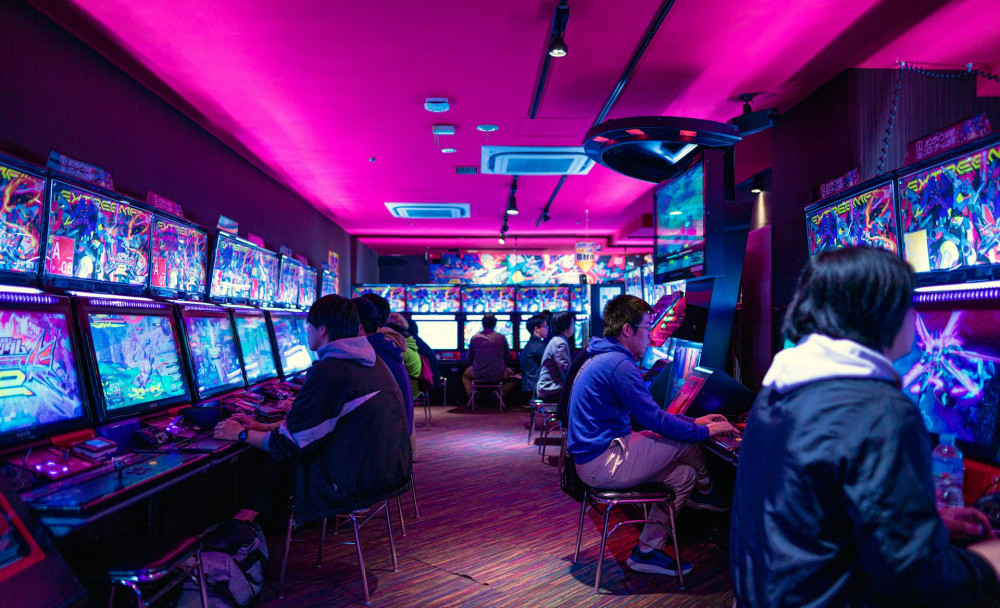
Play Alone or Together? How Your Gaming Experience Is Affected


Play Alone or Together? How Your Gaming Experience Is Affected
When you sit down with your console, PC, or phone to play, your experience isn’t just shaped by the game’s graphics or mechanics—it’s also about whether you’re playing alone or with others. For some, gaming is a quiet escape; for others, it’s all about teamwork, competition, and connection. But how does playing solo or with others actually affect your gaming experience?
The Immersive Solo Experience
Playing alone can be a form of relaxation and focus. You set the pace, decide when to take breaks, and can fully immerse yourself in the story without distractions. Many single-player games are designed to give you a personal journey—where the narrative, atmosphere, and your choices take center stage.
For many players, solo gaming is a way to unwind after a busy day. It’s similar to reading a good book or watching a movie—you disappear into another world where you’re in control. It can also bring a sense of accomplishment when you overcome challenges on your own and see your skills improve.
However, spending too much time gaming alone can sometimes lead to isolation, especially if it becomes your main leisure activity. Balance is key—enjoy the calm of solo play, but make sure to stay connected to the world outside the screen.
Connection and Collaboration – Playing With Others
Multiplayer gaming has transformed how people play over the past few decades. Online communities, voice chat, and cooperative gameplay make it possible to share experiences with friends—or with players from across the globe. For many, it’s the social aspect that makes gaming truly fun.
When you play with others, the experience becomes dynamic and unpredictable. You learn to communicate, cooperate, and adapt to different playstyles. These interactions can build strong social bonds—some friendships even start in virtual worlds and extend into real life.
Of course, the social side of gaming can also bring pressure. Competition, expectations, and conflicts can take the joy out of playing if things get too intense. That’s why it’s important to find the right community—one that values fun and teamwork over just winning.
Læs også:




What Research Tells Us
Studies in the U.S. and around the world suggest that gaming can have both positive and negative effects, depending on how and with whom you play. Solo gaming can improve focus and problem-solving skills, while multiplayer games often enhance communication and teamwork.
Research from American universities has shown that players who mix solo and multiplayer experiences often report the highest satisfaction. They get the best of both worlds—the calm of solo play and the energy of social gaming. Variety, it seems, may be the key to a balanced and fulfilling gaming life.
Finding Your Own Balance
There’s no single “right” way to play—it depends on what you’re looking for. Here are a few tips to help you find your own balance:
- Play solo when you need peace. Use single-player games to relax and recharge.
- Play with others when you want connection. Multiplayer games can strengthen friendships and bring excitement.
- Keep an eye on your time. Whether alone or with others, hours can fly by quickly.
- Match your game to your mood. Some days call for quiet exploration, others for lively teamwork.
By listening to yourself and mixing up your playstyle, you can enjoy the best of both worlds.
Gaming as a Social Space—Beyond the Screen
Today, gaming is more than just a screen-based activity. It’s a social space where people meet, share ideas, and build communities. In the U.S., gamers gather for conventions, esports tournaments, or casual game nights with friends. These events show that gaming doesn’t have to be isolating—it can bring people together in meaningful ways.
The Best Gaming Experience Is the One That Fits You
Whether you prefer the solitude of a single-player adventure or the buzz of an online team match depends on your personality and mood. Some find joy in immersion, others in connection—and many in a mix of both.
What matters most is that gaming gives you something positive: relaxation, challenge, laughter, or friendship. When you play on your own terms, gaming becomes more than entertainment—it becomes a source of energy, creativity, and joy in your everyday life.
Læs også: