Bingo’s Journey Through History: From Italian Lottery to British Bingo Hall

Bingo’s Journey Through History: From Italian Lottery to British Bingo Hall
Today, bingo is known as a friendly, social game that brings people together in community centers, churches, and online chat rooms. But behind the familiar grid of numbers and the joyful shout of “Bingo!” lies a story that stretches across centuries and continents. From a 16th-century Italian lottery to a British cultural phenomenon, bingo’s evolution mirrors changes in society, technology, and the ways we connect with one another.
From Italian Lottery to French Parlors
Bingo’s earliest ancestor appeared in Italy around 1530, in a state-run lottery called Lo Giuoco del Lotto d’Italia. Much like modern lotteries, players marked numbers on a card and hoped their selections matched those drawn. It was both entertainment and a source of public revenue—a combination that would remain part of bingo’s DNA.
By the 18th century, the game had crossed the Alps into France, where it became known as Le Lotto. French aristocrats played it as a parlor pastime, and the design of the cards—rows and columns of numbers—laid the foundation for the bingo cards we know today. The game’s appeal was spreading, adapting to new audiences and purposes.
Læs også:

German Classrooms and American Carnivals
In 19th-century Germany, the game took on an educational twist. Teachers used it to help children learn numbers, spelling, and geography. This early version of “educational bingo” showed how the game could be both fun and instructive—a theme that continues in classrooms today.
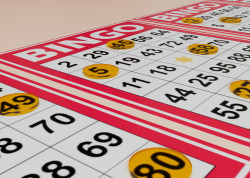
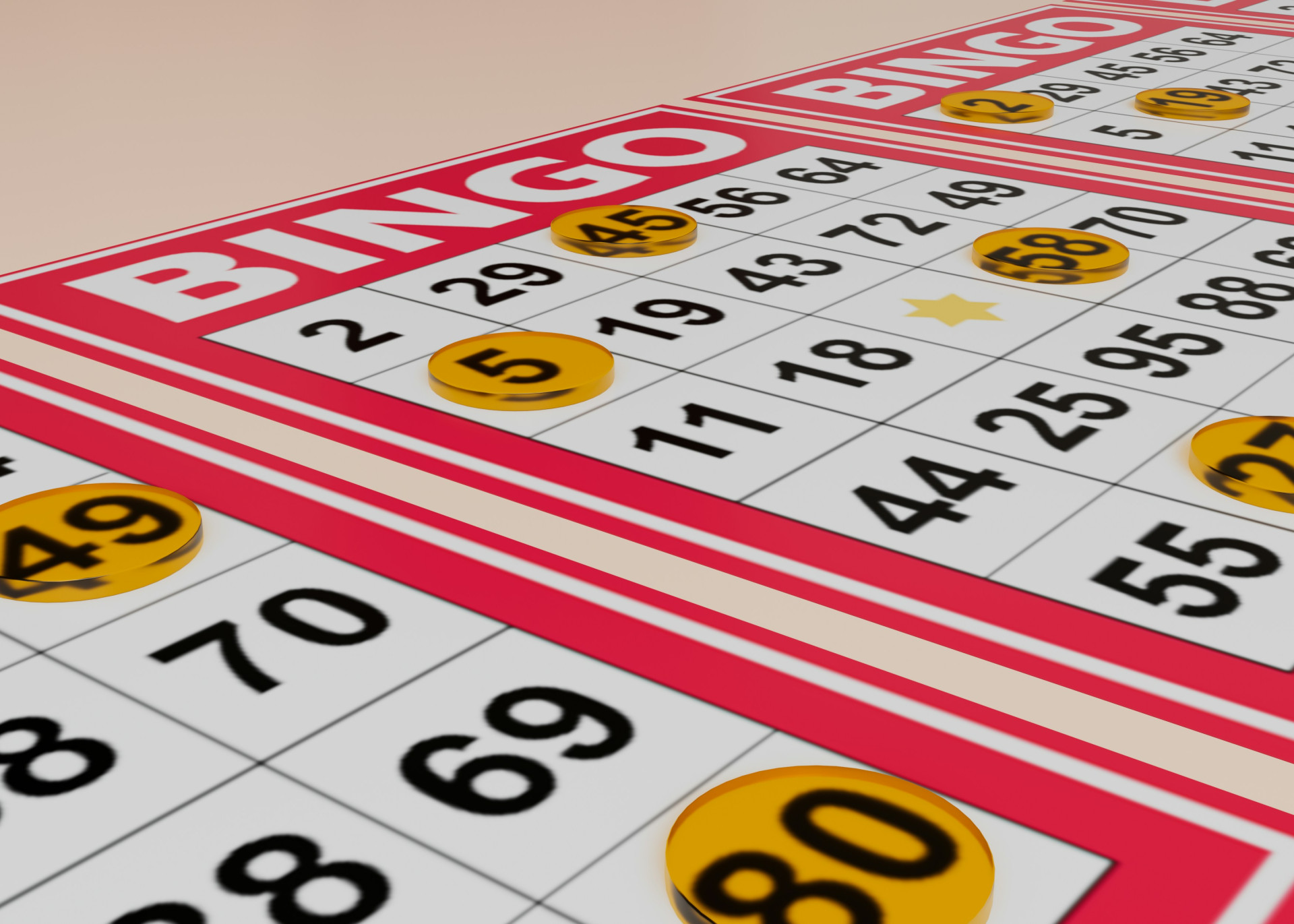
But it was in the United States that bingo truly found its modern form. In the 1920s, a version called Beano was played at fairs and carnivals. Players covered numbers on their cards with beans, and when they completed a line, they shouted “Beano!” According to legend, one excited player accidentally yelled “Bingo!” instead—and the name stuck.
New York toy salesman Edwin S. Lowe saw the game’s potential. He began producing bingo sets for home and church use, working with a mathematician to create thousands of unique card combinations. This innovation allowed large groups to play without duplicate winners, and bingo quickly became a favorite at church fundraisers and community events across America.
Britain’s Bingo Boom
After World War II, bingo crossed the Atlantic once again—this time to Britain. In the 1950s and 60s, new gaming laws allowed organized play in clubs and halls, and bingo became a national craze. For many, especially women, bingo nights offered a social escape and a sense of belonging. The halls buzzed with conversation, laughter, and the hope of a small win.
Bingo became woven into British popular culture, as familiar as the local pub or football match. It symbolized postwar optimism and community spirit—a place where everyday people could relax, connect, and share in a collective thrill.
From Halls to Screens: Bingo in the 21st Century
As society changed, so did bingo. Many traditional halls closed in the late 20th century, but the game found new life online. Digital platforms made it possible to play from home, and themed games, chat rooms, and fast-paced formats attracted a new generation of players. Online bingo preserved the game’s social essence, with players chatting, celebrating wins, and forming friendships across distances.
In the United States, online bingo has also become part of the broader digital gaming landscape, blending nostalgia with modern convenience. Whether played on a smartphone or in a local church basement, the spirit of the game remains the same.
A Game That Endures
From Italian lotteries to British bingo halls and American online platforms, bingo has shown a remarkable ability to adapt. Its enduring charm lies in its simplicity and sociability—it’s a game that brings people together, regardless of age or background.
Bingo is more than a pastime of chance. It’s a living piece of cultural history, reflecting our shared desire for play, connection, and a little bit of luck. And even after nearly five centuries, the thrill of being the first to shout “Bingo!” still brings people together around the world.
Læs også: